AI is already helping run thousands of bio experiments in robotic labs, but the safety rules and oversight around that kind of programmable biology are still playing catch-up.
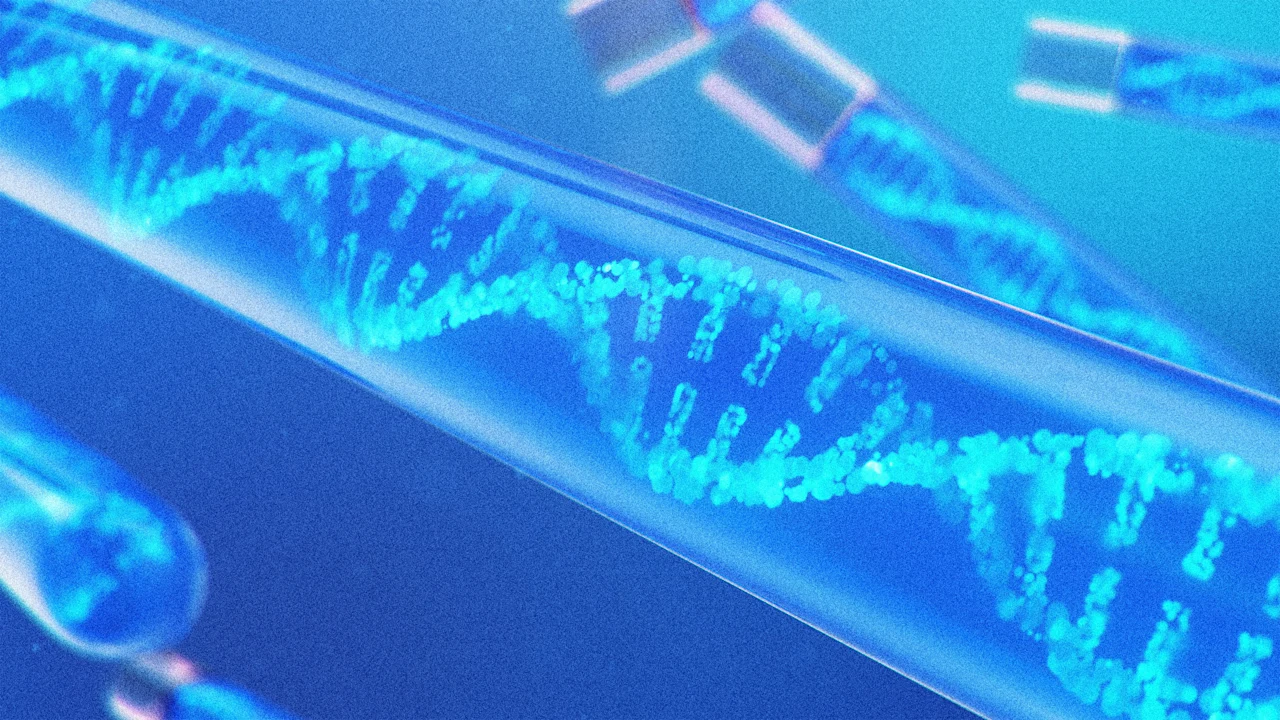
Here’s the image from the article showing how AI is taking over more of the lab work.
The scary bit is the scaling factor: once protocols are machine-readable and labs are automated, “one bad idea” can be executed thousands of times before a human notices, so audit logs, rate limits, and mandatory human sign-off on high-risk workflows should be baseline, not optional. A practical stopgap is treating lab automation stacks like critical infrastructure with external safety audits and incident reporting, instead of leaving it to internal ethics decks.
Treat lab automation like critical infrastructure: require tamper-evident audit logs plus an independent break-glass kill switch so a runaway workflow gets stopped in minutes, not days.
Standardize cross-lab incident and near-miss reporting so the same failure mode doesn’t quietly repeat at the next facility.
Big +1 on treating automation like critical infrastructure, and I’d add routine red-team drills that actually try to bypass the audit logs/kill switch so you find the weak links before a real incident does. Also make near-miss reporting non-punitive and standardized so labs share patterns fast without fear of reputational blowback.
Bake in a safe-harbor policy so engineers can file near-misses without getting punished, and pair it with a simple severity rubric so a “P2” means the same thing across labs.