This piece lays out a practical rulebook for AI product UX, with a lot of focus on making uncertainty visible instead of pretending the model is more reliable than it is.
Here’s the visual from the article:.
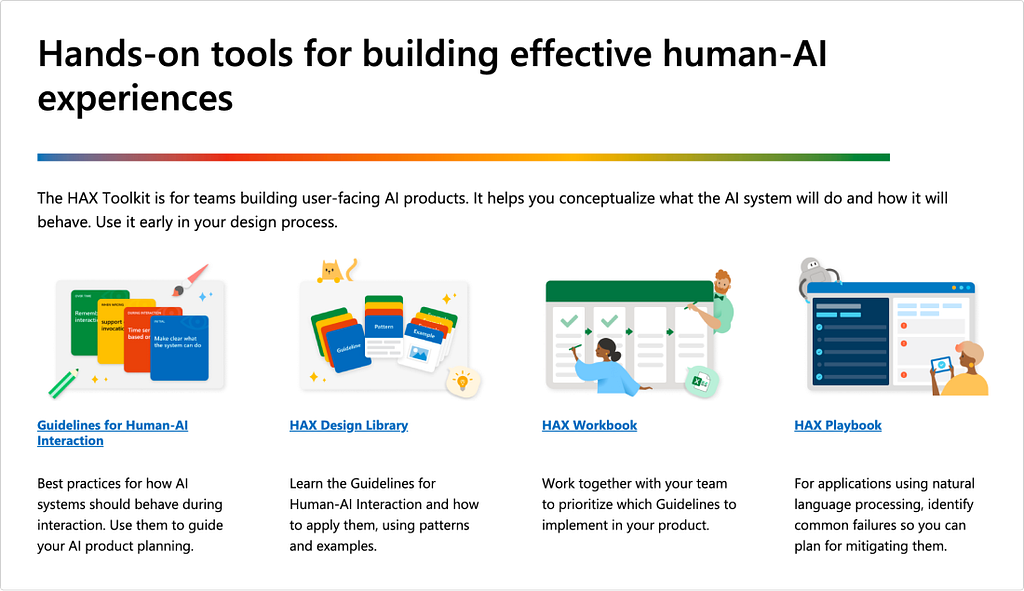


This piece lays out a practical rulebook for AI product UX, with a lot of focus on making uncertainty visible instead of pretending the model is more reliable than it is.
Here’s the visual from the article:.
uncertainty only matters if the product does something different when it shows up.
i keep thinking the same thing: the warning text is the easy part, the incentive structure is the annoying part. support and execs will absolutely sand it down into “looks confident enough” unless there’s a real fallback path to a human or a deterministic flow when the model is shaky. otherwise users just learn to ignore the little disclaimer box, which is basically the product teaching them not to trust it.
Yeah the disclaimer is like putting a “caution: wet floor” sign in a hallway you never actually mop. if uncertainty doesn’t change the UI (slower mode, show sources, force a confirm step, route to a human), people will treat it like cookie banners and just click past it. the only way i’ve seen it stick is when “i’m not sure” comes with a different, slightly more annoying-but-safer path that the org can’t quietly remove.

:: Copyright KIRUPA 2026 //--
``` ```